
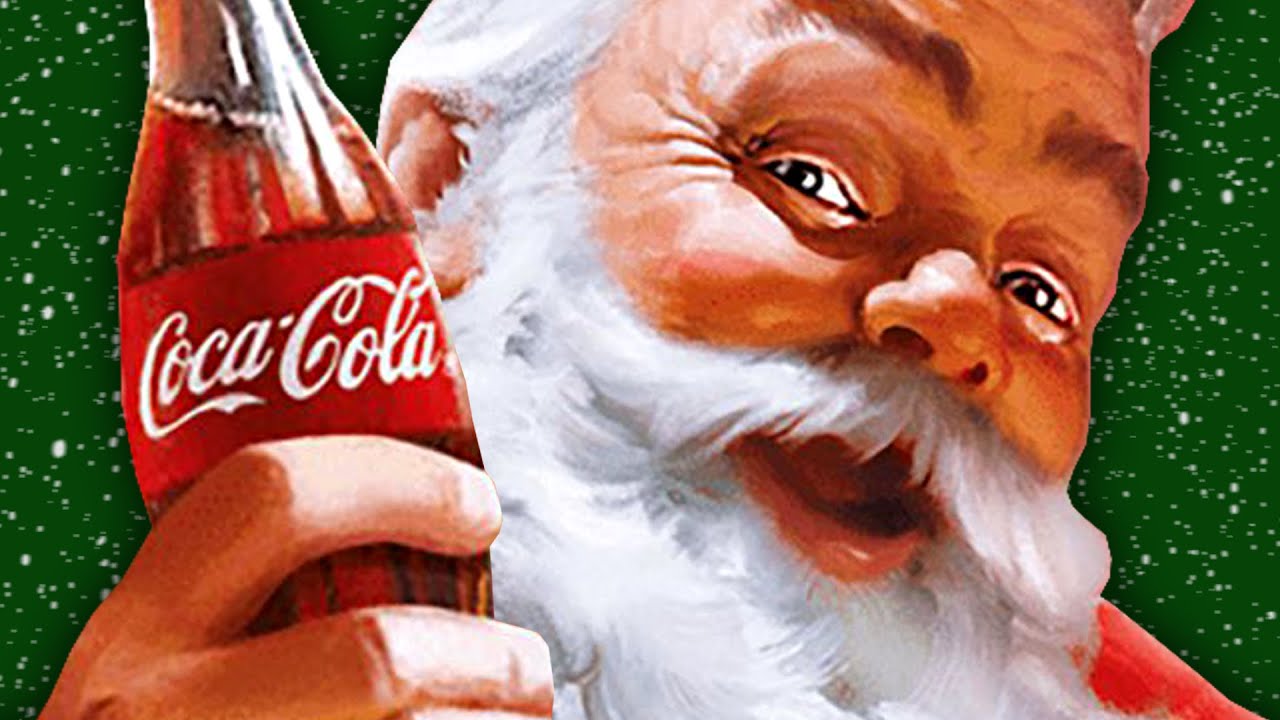
Picture Santa Claus: a jolly old man in a red-and-white suit, with rosy cheeks, a snowy beard, and a hearty “Ho, Ho, Ho!” If that image comes to mind, you’re not alone—and you’re also tapping into a marketing phenomenon that has stood the test of time.
While many believe Coca-Cola invented the modern Santa Claus, the truth is a bit more nuanced. Coca-Cola didn’t create Santa, but they did something even more powerful: they transformed him into a global icon through the art and science of marketing.
This is the story of how Coca-Cola harnessed cultural traditions, behavioral insights, and clever branding to make Santa Claus—and themselves—a permanent part of the holiday season.
Setting the Stage: The Origins of Santa Claus
Before Coca-Cola entered the picture, Santa Claus was already a beloved holiday figure, but his appearance and persona were far from standardized. Let’s explore his journey through time.
Santa’s Roots in History
- Saint Nicholas (4th Century): The origins of Santa can be traced back to St. Nicholas, a bishop in what is now Turkey, renowned for his generosity and gift-giving.
- Sinterklaas (16th Century): Dutch settlers brought the figure of Sinterklaas to America. This version of Santa was less jovial and more solemn but set the stage for the modern concept.
- Clement Clarke Moore’s Santa (1822): Moore’s poem, A Visit from St. Nicholas (’Twas the Night Before Christmas), described Santa as “chubby and plump, a right jolly old elf.” This depiction introduced key elements of the modern Santa: a cheerful personality, a sleigh, and his chimney escapades.
Visual Evolution Before Coca-Cola
- Thomas Nast’s Santa (1863–1886): Political cartoonist Thomas Nast drew Santa as a plump, bearded figure in Harper’s Weekly. While his Santa was iconic, he didn’t have a consistent look. He wore tan robes, green suits, or fur-lined outfits, depending on the illustration.

By the early 20th century, Santa Claus was a beloved yet varied figure, lacking a cohesive identity. That’s when Coca-Cola stepped in.
The Game Changer: Coca-Cola’s Santa Claus

In 1931, Coca-Cola faced a challenge: how to boost sales during the winter months. While soda was synonymous with summer, Coca-Cola wanted to position its drink as a year-round treat. They commissioned artist Haddon Sundblom to reimagine Santa Claus for their holiday advertising campaigns.
The Sundblom Santa
Sundblom’s Santa Claus was a masterstroke of branding and artistry:
- Red and White: Santa’s suit matched Coca-Cola’s iconic brand colors, tying the character visually to the company.
- Warm and Approachable: Sundblom’s Santa exuded joy and relatability, with rosy cheeks, twinkling eyes, and a welcoming smile.
- Coca-Cola in Hand: The ads often depicted Santa taking a break to enjoy a Coca-Cola, integrating the product into relatable, holiday-themed scenarios.
The ads appeared in popular magazines like The Saturday Evening Post and reached millions of viewers. Over the decades, Coca-Cola’s Santa became the definitive version of the holiday icon.

Debunking the Myth: Did Coca-Cola Invent Santa Claus?
Despite the enduring myth, Coca-Cola did not create Santa Claus.
- Santa’s Image Pre-Dates Coca-Cola:
Santa’s character was already well-established through Clement Clarke Moore’s poem and Thomas Nast’s illustrations. - The Red-and-White Suit Wasn’t Exclusive to Coca-Cola:
Although Coca-Cola popularized this look, earlier depictions of Santa also included red robes.
What Coca-Cola did, however, was use their marketing power to standardize Santa’s image, ensuring that Sundblom’s version became the dominant portrayal worldwide.
The Mechanics of Behavioral Influence in Coca-Cola’s Santa Claus: The BIM Framework

Coca-Cola’s Santa Claus campaign is a masterful case study in behavioral influence, as explained through the Behavioral Influence Model (BIM). By seamlessly integrating Cognitive Drivers, Emotional Drivers, Social Influence, and Environment & Design, Coca-Cola didn’t just create a memorable ad—they created a cultural institution. Let’s dive into the mechanics behind each pillar of the BIM framework and how Coca-Cola used these principles to dominate the holiday season.
Cognitive Drivers: Shaping Perceptions and Building Mental Connections
Cognitive Congruence: Coca-Cola ensured that Santa Claus became a cognitive anchor for their brand by using visual and psychological techniques that shaped how people perceived and remembered the character. The red-and-white color scheme of Santa’s outfit wasn’t a random choice—it aligned perfectly with Coca-Cola’s iconic branding. This use of cognitive congruence created an immediate and effortless association between Santa’s joyful image and the Coca-Cola logo, reinforcing the brand’s presence every time someone thought of the holiday season.
Memory Reinforcement: Furthermore, Coca-Cola relied on memory reinforcement by consistently using Haddon Sundblom’s depiction of Santa across decades. Whether in magazines, posters, or point-of-sale materials, Santa’s image was repeated so often that it became deeply embedded in public consciousness. This consistent repetition ensured that Sundblom’s Santa became not only the Santa Claus but also an integral symbol of Coca-Cola itself. The simplicity of the campaign also played a key role in cognitive influence. Coca-Cola’s ads positioned Santa enjoying a Coke in relatable, joyful scenarios, making the message clear and easy to process: Santa drinks Coca-Cola, and so should you.
Emotional Drivers: Tapping Into Joy, Nostalgia, and Authenticity
Emotional Authenticity: The emotional pull of Coca-Cola’s Santa Claus campaign cannot be overstated. Sundblom’s depiction of Santa was carefully designed to evoke warmth, generosity, and joy—universal emotions that resonate deeply during the holiday season. Coca-Cola harnessed emotional authenticity by presenting Santa as approachable and human. His cheerful demeanor, rosy cheeks, and twinkling eyes made him feel like more than just a cartoon—he was a living embodiment of holiday cheer.
Nostalgia: Coca-Cola’s ads also leaned heavily into nostalgia, a powerful emotional driver, especially during the holidays. By connecting Santa to timeless family traditions and festive moments, Coca-Cola ensured their brand became part of the emotional landscape of Christmas. Families didn’t just see a soda ad; they saw an invitation to relive cherished memories. Additionally, Coca-Cola amplified joy through its depiction of Santa in celebratory and triumphant moments. Whether relaxing with a Coke after delivering presents or sharing a laugh with children, Santa radiated happiness—and Coca-Cola positioned itself as the source of that happiness.
Social Influence: Establishing Santa as a Cultural Anchor
Social Proof: Coca-Cola didn’t just use Santa to sell soda; they made him a universal symbol of Christmas through the power of social influence. By flooding the market with their version of Santa Claus, Coca-Cola created social proof: the more people saw Sundblom’s Santa, the more they believed he was the definitive Santa Claus. The campaign’s global reach ensured that this version of Santa became the standard, replacing regional variations and uniting diverse cultures under one cohesive image.
Community Validation: Coca-Cola aligned its brand with shared holiday values like family, generosity, and celebration. By associating themselves with the widely beloved figure of Santa Claus, Coca-Cola tapped into the collective agreement that their brand was not just a product but a part of the Christmas experience. Over time, Coca-Cola’s consistent portrayal of Santa created a form of cultural anchoring. Their ads didn’t just reflect holiday traditions—they helped define them, cementing Coca-Cola’s place as an indispensable part of the festive season.
Environment & Design: Integrating Santa Into Holiday Experiences
Experiential Authenticity: Coca-Cola’s ads weren’t just visually striking—they were immersive, carefully designed to place Santa in relatable holiday settings that resonated with viewers. By featuring Santa in scenarios like relaxing by the fire, delivering presents, or sharing a Coke with children, Coca-Cola achieved experiential authenticity. These moments felt real, making it easy for audiences to see Coca-Cola as a natural part of their own holiday traditions.
Environmental Cues: The use of environmental cues further strengthened Coca-Cola’s connection to the holidays. Snowy landscapes, festive decorations, and cozy settings created a sensory-rich experience that reinforced the message that Coca-Cola belonged at the heart of Christmas celebrations. These design elements didn’t just sell a product—they sold a feeling, making Coca-Cola synonymous with warmth, togetherness, and cheer.
Additionally, the campaign’s visual simplicity ensured clarity and focus. Sundblom’s Santa was always the centerpiece, with Coca-Cola subtly integrated into the scene. This careful balance made the ads both memorable and emotionally impactful, ensuring that Coca-Cola remained at the forefront of the viewer’s mind during the holiday season.
Lessons and Takeaways
Coca-Cola’s Santa campaign holds valuable lessons for modern marketers:
- Consistency Builds Recognition: Coca-Cola’s repeated use of Sundblom’s Santa cemented their brand as a part of Christmas.
- Emotional Resonance Matters: Tying the brand to feelings of joy and nostalgia made Coca-Cola a staple of the holidays.
- Cultural Anchors Amplify Relevance: Aligning with existing traditions—like Christmas—helped Coca-Cola extend their reach.
- Visual Congruence Strengthens Memory: The red-and-white color scheme created an instant cognitive connection between Santa and Coca-Cola.
- Think Long-Term: Coca-Cola’s patient, consistent strategy turned a seasonal campaign into a cultural phenomenon.
The Legacy: Coca-Cola Owns Christmas
Today, Coca-Cola and Christmas are inseparable. Sundblom’s Santa remains the standard image of the holiday icon, and Coca-Cola continues to own a piece of the festive season through its marketing.
By combining behavioral insights, emotional storytelling, and branding consistency, Coca-Cola didn’t just sell soda—they reshaped how we celebrate the holidays.
And that, friends, is marketing influence unleashed.
Podcast Snapshot: Unwrapping the Magic of Coca-Cola’s Santa Claus
Want a quick breakdown of how Coca-Cola turned Santa Claus into a global holiday icon? We’ve got you covered! In this podcast episode, we dive into the story behind the brand’s legendary Santa campaign—how it leveraged behavioral science to dominate Christmas marketing. Whether you’re commuting or taking a coffee break, tune in for all the key insights in just a few minutes. It’s the perfect holiday marketing inspiration!
If you enjoyed exploring the behavioral influence behind Coca-Cola’s Santa Claus, there’s so much more waiting for you at Good Assumptions. We’re passionate about decoding the psychology of marketing to help brands make smarter, more effective decisions. Whether you’re a seasoned marketer or just getting started, our Behavioral Influence in Marketing (BIM) framework can unlock new ways to connect with your audience.
Ready to transform your marketing game? Join us at Good Assumptions and learn how to turn smart strategies into powerful results. Because in the world of marketing, the right insights can make all the difference. Let’s make your assumptions count!e.
Leave a Reply